AGP Executive Report
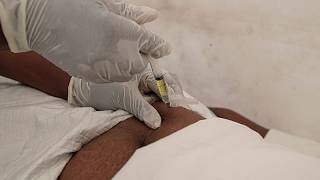
Last update: 4 hours agoHealth & Vaccines: CDC analysis says congenital rubella syndrome cases fell about 73% since 2012, but Africa still carries most of the burden—an urgent reminder that rubella vaccine gaps can mean preventable birth defects. Climate & Environment: A dried lakebed in northern Chad (Bodélé Depression) fuels a massive dust stream—about 27.7 million tonnes of dust yearly—feeding the Amazon’s nutrient cycle across the Atlantic. Public Health in Motion: Cholera is spreading along two river corridors, with active outbreaks in six countries including Chad, as warmer, wetter conditions and disrupted sanitation raise the risk for children. AI Governance: A Chadian Indigenous women’s leader argues AI policy must protect community-held knowledge and consider impacts on water and biodiversity, not just jobs and safety. Humanitarian Tech & Services: Sudanese refugees in eastern Chad are rebuilding schooling—teachers and administrators recruited from the refugee community are running a growing primary school in camp settings. Health Systems & Mobility: Migrants across Africa struggle to get consistent care because records don’t follow them and systems don’t talk across borders, forcing treatment to restart from scratch. Wildlife & Conservation: The addax, a desert-adapted antelope of the Sahara, is vanishing as human pressure overwhelms its survival tricks. Science & Space: Want the next total eclipse? Coverage explains where and how to catch the 2027 “eclipse of the century” across parts of Europe and North Africa. Health Research: New reporting highlights rising ovarian cancer burden in Africa and the care gaps that make early detection and treatment harder.
Note: AI summary from news headlines; neutral sources weighted more to help reduce bias in the result. Feedback is welcome. Please let us know if you have any comments or suggestions about the AGP Executive Report.